


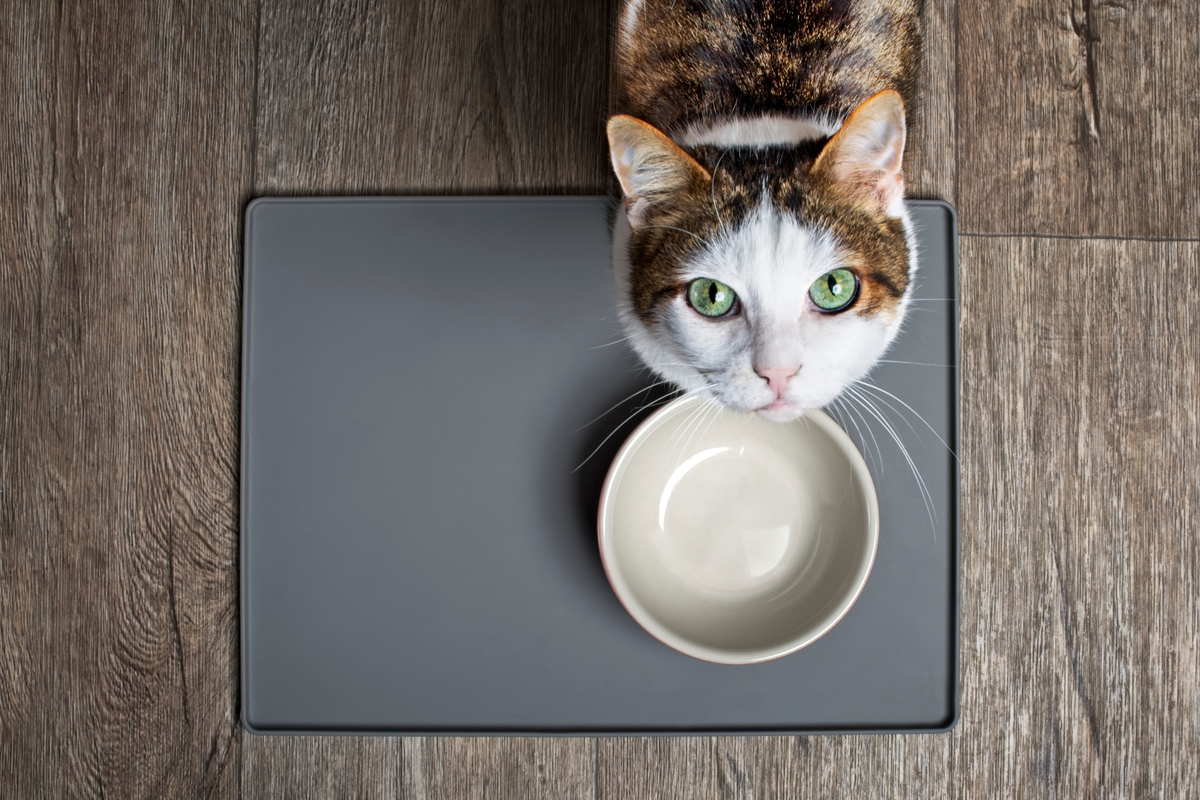
Cat supplements – what matters
Cats need certain nutrients to stay healthy. These are usually all present in complete feed, which is also labelled as such. Depending on age, health and life stage, however, the requirement can change – and a targeted complementary feed can then be useful.
In this article we explain which nutrients matter for cats, when supplements make sense, and what you should always discuss with your veterinary practice first.
What nutrients do cats need?
Cats are obligate carnivores. Their diet must supply high-quality animal protein, fat, vitamins and trace elements. Particularly important are:
- Taurine: an essential amino acid that cats cannot produce in sufficient amounts themselves. It supports heart function, vision and reproduction.
- Animal protein: needed for muscle, organs and a stable immune system.
- Vitamins and trace elements: including B vitamins, vitamin A, zinc and iron.
- Fluid: cats often drink little. Wet food and liquid complementary feeds can support daily fluid intake.
A complete feed that is correctly labelled already covers the daily requirement of a healthy adult cat. Extra products are not automatically better.
When can a supplement be useful?
A complementary feed can be useful when appetite, recovery, age or a diagnosed condition change the cat’s nutritional needs.
Typical situations include:
- reduced appetite or food refusal
- convalescence after illness or surgery
- older cats with declining vitality
- support during a diet change, for example onto a renal diet
- cats with a particular need around kidneys, immunity or energy supply
RECOACTIV® tonics are complementary or complete feeds, depending on the product, and are designed for high acceptance – even in cats that eat poorly.
What to look for
- Choose a product that matches the situation (recovery, kidney support, immune support).
- Follow the feeding recommendation on the label.
- Do not combine several concentrated supplements at random.
- If food refusal lasts more than 24 hours, there is marked weight loss, or a condition is known, speak to your vet first.
Note: Supplements do not replace a veterinary diagnosis or treatment. They are intended as nutritional support.
FAQ
Does every cat need a supplement?
No. Healthy cats on a suitable complete feed often need no extra product. Supplements become relevant when appetite, age or health change the requirement.
Can I give a tonic long term?
Some products can be used for longer if needed. Always follow the label and agree longer use with your veterinary practice if the cat has a chronic condition.
What if my cat refuses tablets?
Liquid tonics can be offered neat or mixed into the usual food. High acceptance is one of the main reasons many cats take them more readily than tablets.
